FORD C0AB7630328A Tbird Window Crank Handle 57-63
fits make: Mercury, Ford. year: 1960–1962.
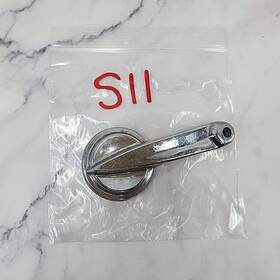
( Brand: Ford ), ( Manufacturer Part Number: C0AB7630328A ), ( Shape: Cupped ), ( Color: Silver ), ( Material: Steel ), ( Vintage Part: Yes ), ( Placement On Vehicle: Front, Front Left, Front Right, Left, Rear, Rear Left, Rear Right, Right ), ( California Prop 65 Warning: Cancer And Reproductive Harm ), ( Type: Window Crank ), ( Ipn: 1963 ), ( Oe/oem Part Number: C0ab-7630328-a ), ( Attachment Type: Clips ), ( Features: Easy Installation ), ( Universal Fitment: No ), ( Finish: Chrome ), ( Country Of Origin: United States )
Review FORD Mercury 57-63 Tbird Window Crank Handle Oe fits 1960–1962
The **Ford C0AB7630328A window crank handle**, designed for **1957 1962 Ford and 1960 1962 Mercury models**, including the iconic **1957 1963 Thunderbird**, represents a classic piece of automotive craftsmanship from an era when attention to detail defined luxury and performance. Crafted to fit the **1960 1962 Mercury** and **1957 1962 Ford** window mechanisms, this crank handle is a meticulously engineered replacement part that ensures both functionality and authenticity for vintage enthusiasts seeking to restore or preserve the original character of their vehicles. The handle is built to match the **distinctive styling cues** of the mid-century American automotive design language, featuring a **sleek, contoured grip** that complements the rounded contours of the window frame, blending seamlessly with the interior s chrome and wood accents. Constructed from **durable metal**, likely stainless steel or a high-grade alloy, it is designed to withstand the rigors of frequent use while maintaining its polished, reflective finish a hallmark of the era s emphasis on gleaming surfaces and precision engineering. The **mechanical linkage** is engineered to operate smoothly, allowing for effortless cranking of the window, whether in the **hardtop convertible Thunderbird** or the more utilitarian sedans and coupes of the same era. For collectors and restorers, this part is not merely a functional replacement but a **cultural artifact**, embodying the optimism and innovation of the 1950s and early 1960s, when American automotive design reached new heights of elegance and sophistication. Whether installed in a **restored 1957 Thunderbird convertible** or a meticulously maintained **1962 Mercury Monterey**, this crank handle serves as a subtle yet essential nod to the golden age of American automobiles, where every detail from the contour of a door handle to the gleam of a window crank contributed to the overall allure of the machine.
### Pros and Cons of Buying a 1957 1962 Mercury/1960 1962 Ford Thunderbird with a Window Crank Handle
#### **Pros**
1. **Classic American Design and Prestige**
The Thunderbird and Mercury models from this era are iconic symbols of mid-century American automotive design. Their sleek, chrome-laden bodies, tailfins, and luxurious interiors evoke nostalgia and appeal to enthusiasts who appreciate vintage styling. Owning one can be a statement of taste and a conversation starter.
2. **Strong Engine Options**
Many of these vehicles came equipped with powerful V8 engines, including Ford s legendary Y-block (272 312 ci) or Mercury s high-performance options like the 352 ci. These engines, when properly maintained, can provide satisfying power and driving dynamics, especially when paired with modern upgrades like performance exhausts or fuel systems.
3. **Potential for Restoration or Customization**
The T-Bird and Mercury models from this era are highly customizable. Owners can restore them to showroom condition, modify them for performance (e.g., swapping in a modern engine or suspension), or even convert them into unique projects like hot rods or muscle cars. The aftermarket support for these vehicles is robust, with parts readily available for classic Ford/Mercury models.
4. **Collectible Value**
Certain models, especially rare or high-performance variants (e.g., the 1961 1962 T-Bird convertibles with the 352 ci engine or the 1957 Mercury Park Lane), appreciate in value over time. Well-preserved examples can be valuable investments, particularly if they are part of a limited production run or have historical significance.
5. **Driving Experience**
For those who enjoy the feel of a heavier, more substantial car with classic steering and suspension, these vehicles offer a different (and often more engaging) driving experience compared to modern cars. The manual window crank handle adds to the vintage charm, making everyday tasks like rolling down a window feel more deliberate and authentic.
6. **Community and Enthusiast Support**
There is a strong community of owners, restorers, and enthusiasts dedicated to these models. Clubs like the Thunderbird Club of America or Mercury Owners Club provide resources, events, and networking opportunities. This support can be invaluable for finding parts, advice, and camaraderie.
7. **Potential for Lower Operating Costs (If Well-Maintained)**
While not always the case, some of these vehicles especially those with simple mechanical systems can be relatively inexpensive to maintain if they are in good condition. However, this depends heavily on the car s original condition and the owner s willingness to invest in upkeep.
---
#### **Cons**
1. **High Maintenance and Repair Costs**
Many of these vehicles are not built to modern standards of reliability. Rust, worn suspension components, electrical issues, and outdated fuel systems (especially in carbureted models) can lead to frequent and costly repairs. The labor costs for classic cars can also be prohibitive, as specialized mechanics may charge premium rates.
2. **Rust and Structural Issues**
The 1950s and early 1960s were not known for corrosion-resistant construction. Many of these vehicles suffer from rust in critical areas like the frame, floor pans, and body panels. A thorough inspection is essential, and even then, rust repairs can be extensive and expensive.
3. **Parts Availability and Cost**
While parts for these models are widely available, some components especially rare or discontinued items can be difficult or expensive to source. Replacement parts may require sourcing from specialty suppliers, eBay, or even restoration shops, which can drive up costs.
4. **Insurance Challenges**
Insuring a classic car can be more expensive than insuring a modern vehicle, especially if the car is not properly documented as a collector s item. Some insurers may also require the vehicle to be stored in a secure garage, adding to the cost of ownership.
5. **Fuel Efficiency and Modern Compliance**
These vehicles are thirsty by today s standards, often consuming 12 16 MPG or less, depending on the engine and driving conditions. Additionally, many may not meet modern emissions standards, which could complicate registration or require modifications (e.g., installing a modern catalytic converter or fuel system).
6. **Driving Practicality**
The size and weight of these cars make them less practical for daily use. Parking can be challenging in urban areas, fuel stops may require more frequent visits, and the lack of modern safety features (e.g., modern airbags, stability control) can be a concern for some owners.
7. **Depreciation Risk**
While some models appreciate in value, others may not. If the car is not well-maintained or lacks historical significance, its value could depreciate over time. This is particularly true for common models or those with extensive modifications.
8. **Manual Window Crank Handle Limitations**
While charming, the manual window crank handle is not as convenient as power windows. Rolling down a window in inclement weather or while driving can be cumbersome, and the mechanism itself may wear out over time, requiring replacement.
9. **Legal and Registration Hurdles**
Some states or countries have strict regulations for vintage cars, including emissions testing, safety inspections, or requirements for originality. Ensuring the vehicle meets all legal standards can be time-consuming and may involve costly modifications.
10. **Time and Commitment**
Owning a classic car is not just about the vehicle itself it s a lifestyle. These cars demand time for maintenance, detailing, and occasional projects. For those who lead busy lives, the commitment may be too much to justify the hobby.
---
### **Conclusion**
Buying a 1957 1962 Mercury or 1960 1962 Ford Thunderbird with a window crank handle can be a rewarding experience for the right owner. The appeal of these vehicles lies in their timeless design, potential for customization, and the joy of driving a piece of automotive history. However, the challenges high maintenance costs, rust, parts availability, and practicality cannot be overlooked.
If you are passionate about classic cars, have the budget and time to invest in its upkeep, and enjoy the process of restoration or modification, then one of these vehicles could be an excellent addition to your collection. On the other hand, if you prioritize practicality, low maintenance, and modern convenience, a classic car may not be the best fit.
### **Recommendation**
If you decide to pursue this purchase, follow these steps to minimize risks:1. **Thorough Inspection**: Have the vehicle inspected by a trusted classic car mechanic before buying. Pay special attention to rust, engine condition, transmission, and electrical systems.
2. **Documentation**: Ensure the car has a clean title and any necessary documentation to prove its authenticity and history. A restoration or maintenance log can also add value.
3. **Budget for Repairs**: Set aside a significant budget for immediate repairs and ongoing maintenance. Consider whether you can afford to restore the car to a drivable or showroom condition.
4. **Storage**: Store the car in a dry, secure location (e.g., a garage) to protect it from the elements and potential theft.
5. **Join the Community**: Connect with local or online classic car clubs for advice, parts sourcing, and networking with other enthusiasts.
6. **Start Small**: If this is your first classic car, consider a less expensive or more common model to gain experience before investing in a rare or high-value example.
Ultimately, the decision to buy should be driven by genuine enthusiasm for the vehicle and a realistic understanding of what owning it entails. If you are prepared for the challenges and excited by the opportunity to own a piece of automotive history, then a 1957 1962 Mercury or Thunderbird could be a fantastic addition to your life. If not, it may be wise to consider a more modern or lower-maintenance vehicle.
Details:
The product is a vintage 1957-1962 Ford and 1960-1962 Mercury window crank handle, made of steel with silver color chrome finish. It is a unique cupped shape piece that easy to install on the front or rear of vehicle. C0AB7630328A 1957-1962 Ford 1960-1962 Mercury 57-63 TBird Window Crank Handle OE. Does not include plastic knob.
Item weight 5 oz. Mounting clip shown is included but as. Exact item is shown. It is a genuine Ford brand part with vintage design, perfect for those looking to restore their classic car its original condition.
Vintage used item being sold as is. Minor pitting on chrome.
part #: c0ab7630328a price
- $22.07
specifications cardoorhandleei:
- for makes: Mercury, Ford
- for years: 1960-1962
- brand: Ford
- mpn: C0ab7630328a
- shape: Cupped
- color: Silver
- material: Steel
- vintage part: Yes
- placement on vehicle: Front, Front Left, Front Right, Left, Rear, Rear Left, Rear Right, Right
- california prop 65 warning: Cancer And Reproductive Harm
- type: Window Crank
- ipn: 1963
- oe/oem part number: C0ab-7630328-a
- attachment type: Clips
- features: Easy Installation
- universal fitment: No
- finish: Chrome
- country of origin: United States
offer cardoorhandleei:
- availability: In Stock
- quantity: 1
- started: March 19, 2026
- options: Ship-to-home
- sold: 0
- best offers: True
payments cardoorhandleei:
- credit card: Visa
- other
- wallet: Apple-pay
general cardoorhandleei:
- Car Truck Parts Accessories > Interior Parts Accessories > Window Cranks, Grab Handles Door Pulls
- condition: Used
shipping cardoorhandleei:
- cost: $0.00
- carrier: USPS, UPS, FedEx
- transit: 4-9 Days
- type: Calculated
- service: USPS Ground Advantage, UPS Ground, FedEx Ground / FedEx Home Delivery, USPS Priority Mail Express
- class: Standard, Expedited
returns cardoorhandleei:
- policy: No Returns
seller cardoorhandleei:
- # reviews: 12683
- city: Rootstown, Ohio
- rating: 99.9%
Ford C0AB7630328A Is Similar To:
- Handle 1122404a Side Used Door Aerostar Passenger Ford Oem (12.9% similar) Used good condition like new Ford Ariosto '90 through '97 passenger side door handle 1122404A oem used. Finish black plastic part number 1122404A...(December 3rd, 2014)
- 11395754 Perfect Fit Interior Door Handle For Ford Heritage 723650301210 (28.9% similar) ...(June 15th, 2019)
- 12 Ford Focus Se Hatch Hatchback 2.0l 2.0 Used Oem 2012 Ford Focus Door Handle (29.1% similar) If an item arrives damaged, please via message or by phone at within 24 hours for instructions. No expedited shipping is available...(March 6th, 2017)
- 12710865 Perfect Fit Door Handle Set For Ford Crown 646621814369 (31.9% similar) Please for any questions. Some manufacturers require that you register your product to activate its warranty. The manufacturers warranty shall be exclusive remedy for any such product defect or failure. Each warranty gives you specific rights, and may have other rights which vary from state...(August 16th, 2018)
- 12795925 Aftermarket Replacement New Rh Interior Front Door Handle Fits Ford (28.2% similar) 245CID2007-2010 Ford explorer sport track limited 8CYL usually this is due to the delivery location or size, weight, and dimensions of package. 6l 281CID2010 Ford explorer XLT 6CYL expedited shipping: if you require shipping, please. Box, APOS, fops, or military mail box. 6l 281CID2006-2009 Ford ...(February 8th, 2019)
- Latch Door Handle 129-fd1u96 Taurus Cable Ford 1996 Interior (15.7% similar) One of the bolt holes is cracked. This is a used interior door handle, cable, and latch. Free shipping. It was removed from a 1996 Ford Taurus. Please see my other offers for more great deals. Sold as is no warranty...(February 18th, 2015)
- 13747264 Ford Explorer Mercury Mountaineer Front Left Interior Door Handle (32.5% similar) A-1 automotive 433 east 9TH street Erie, pa day replacement warranty. Items ship to the lower 48 states only. Otherwise for estimate. If there was an error in the listing, I will take care of shipping charges...(March 29th, 2018)
- 13879080 Perfect Fit Interior Door Handle For Ford Escape Pc Set (30.6% similar) Here are 4 interior door handles, original, for Ford escape...(December 13th, 2018)
- 18-702400-a 1932 Ford Roadster And Phaeton Inside Door Handle (29.8% similar) States only. Template most popular...(October 17th, 2016)
- 1986-1997 Aerostar Interior Ford Dorman Door Fits Handle (23.2% similar) We market approximately 133,000 products which are sold under several doorman sub brands oe solutions, help. Fill out the return form. Please follow the above steps to ensure you credit...(May 2nd, 2015)
- F58b-1626594-ac 5722 1992-2007 Ford Van Pass Rh Rear Cargo Dr Power Inside Handle Assembly (18.8% similar) 5722 shipping price for lower 48 states only...(February 21st, 2016)
