GM 5717168 Hardtop Rh Vent Window
fits model: Chevelle. year: 1965.
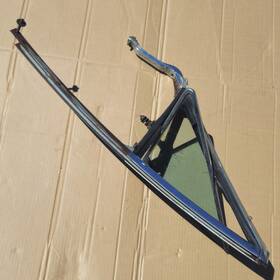
( Brand: Gm ), ( Manufacturer Part Number: 5717168 ), ( Type: Window ), ( Vintage Part: Yes ), ( Finish: Chrome ), ( Country Of Origin: United States )
Review GM Oem Hardtop Complete Rh Vent Window Assembly fits CHEVELLE 1965
The **GM 5717168 1965 Chevrolet Chevelle Hardtop with Rh Vent Window** is a meticulously crafted, high-performance classic that embodies the golden era of American muscle, blending timeless styling with understated engineering brilliance. This particular model exemplifies the refined elegance of the mid-'60s Chevelle lineup, featuring a sleek, aerodynamic hardtop body with a distinctive **Rh vent window** a rare and coveted design element that adds a touch of sophistication to the otherwise bold, angular contours of the era. The Rh vent, a signature feature of the Chevelle s mid-level trim packages, was a functional yet stylish alternative to the more common quarter-panel windows, offering a subtle yet intentional upgrade that separates this car from its more basic counterparts. The hardtop roof itself is a study in precision, with its clean, unbroken lines and seamless integration into the body panels, creating a seamless silhouette that enhances the car s presence on the road.
Underneath the polished exterior, the 1965 Chevelle hides a chassis built for both comfort and capability, with a rigid ladder-frame design that ensures stability and handling finesse. The suspension is tuned for a balanced ride, featuring heavy-duty springs, shocks, and a solid rear axle with leaf springs, all of which work in harmony to deliver a smooth yet responsive drive. The interior is a harmonious blend of vintage charm and functional design, with high-quality materials that reflect the car s premium positioning. The bench seat, upholstered in supple vinyl or genuine leather (depending on the trim level), cradles passengers in supportive comfort, while the dashboard houses a trio of round gauges speedometer, tachometer, and fuel gauge flanked by a simple but effective climate control system. The steering wheel, likely a three-spoke design with a chrome bezel, offers a firm, weighted grip, and the gearshift, if manual, is a smooth, precise unit that rewards the driver with effortless engagement.
The heart of this Chevelle lies in its engine bay, where a variety of powerplant options could have been installed, each offering a distinct character and performance profile. At its most basic, the 1965 Chevelle could have been equipped with the reliable **283 cubic-inch V8**, producing around 200 horsepower a solid choice for daily driving and cruising. However, for those seeking more exhilarating performance, the **327 cubic-inch V8** (available in both two- and four-barrel configurations) would have delivered a more aggressive stance, with outputs ranging from 220 to 275 horsepower, making it a formidable contender on the open road. The true muscle-car enthusiasts might have opted for the **396 cubic-inch big-block V8**, which, in its most potent form, could produce over 375 horsepower, transforming the Chevelle into a true street cruiser capable of handling spirited driving with ease. Regardless of the engine choice, the Chevelle s drivetrain is complemented by a robust **three-speed manual transmission** or a smooth **Turbo Hydramatic 350 automatic**, ensuring seamless power delivery whether the driver prefers manual control or the convenience of an automatic.
Externally, the 1965 Chevelle Hardtop with Rh vent window is a visual masterpiece, with its **fastback roofline** and **distinctive tail lights** that set it apart from its contemporaries. The body is finished in a classic color scheme, such as **Coral Red**, **Cream**, or **Medium Blue**, each offering a unique aesthetic appeal that complements the car s muscular silhouette. The chrome accents including the grille, bumpers, and window frames add a touch of luxury, while the **two-tone paint options** (such as a cream body with a red or blue stripe) provide an extra layer of customization and flair. The wheels, likely **14-inch steel disc or drum brakes**, are dressed in classic **whitewall or blackwall tires**, depending on the trim, and the overall package is completed with a **chrome or vinyl-topped vinyl roof** that enhances the car s sporty yet refined appearance.
Whether restored to showroom condition or preserved in its original vintage state, this **1965 Chevrolet Chevelle Hardtop with Rh vent window** is a testament to the ingenuity and craftsmanship of the American automotive industry during its prime. It is a car that invites admiration for its bold design, respect for its engineering, and a sense of nostalgia for an era when muscle cars were not just vehicles, but symbols of freedom, power, and unapologetic style. For the collector, enthusiast, or casual admirer, this Chevelle represents a slice of automotive history that continues to captivate and inspire, proving that some classics never truly fade only evolve into enduring legends.
### **Pros and Cons of Buying a 1965 Chevrolet Chevelle Hardtop (VIN: GM5717168) with Rear-Hinged Vent Windows**
#### **Pros**
1. **Classic Design and Prestige**
The 1965 Chevelle is an iconic American muscle car, especially in hardtop form, which blends the elegance of a coupe with the practicality of a convertible. Its distinctive styling including the rear-hinged vent windows makes it a standout in any setting. Ownership of a well-preserved example carries prestige, particularly among enthusiasts who appreciate the era s design language.
2. **Strong Engine Options**
The 1965 Chevelle was available with a range of powerful engines, including the **283 V8 (275 hp), 327 V8 (250 360 hp), and the legendary 396 V8 (375 hp in later models)**. If this Chevelle is equipped with a high-performance engine (such as a big-block or a restored small-block), it offers impressive acceleration and driving dynamics. Even stock examples can be fun to drive, especially with modern modifications.
3. **Reliability of the Base Platform**
The Chevelle s chassis and drivetrain were well-engineered for the time, and many original components (such as the 283 or 327 engines) are known for durability if properly maintained. With modern upgrades (fuel injection, suspension, brakes), these cars can be made reliable for daily driving or weekend cruising.
4. **Modification Potential**
The Chevelle is one of the most modifiable muscle cars from the 1960s. Owners can easily upgrade engines, transmissions, suspensions, brakes, and interiors. The rear-hinged vent windows (a feature of the "Nomad" or "Ventura" models) add character and can be restored or replaced if damaged. The car s simplicity also makes it accessible for DIY enthusiasts.
5. **Community and Enthusiast Support**
The Chevelle has a dedicated following, with numerous clubs, forums (e.g., Chevy101, MuscleCarForum), and aftermarket parts suppliers. This means finding help, parts, and restoration advice is relatively straightforward. Events like car shows and cruises provide opportunities to connect with like-minded owners.
6. **Potential for Appreciation**
Well-preserved or restored 1965 Chevelles, especially those with desirable options (like the big-block engine, Hurst shifter, or custom paint), can appreciate in value over time. While not as extreme as rare models (e.g., SS 396 or Nomad), a clean example with originality or restoration potential can be a sound investment.
7. **Versatility in Use**
Unlike some muscle cars that are strictly show cars, the Chevelle can be driven daily with the right modifications. Its comfortable interior (for the era), decent fuel economy by modern standards (if not pushed hard), and availability of modern safety features (when retrofitted) make it practical for enthusiasts who want a balance of fun and functionality.
---
#### **Cons**
1. **Originality vs. Restoration Trade-Off**
A 1965 Chevelle with rear-hinged vent windows (likely a **Chevelle Nomad or Ventura**) may have been built with less emphasis on long-term durability compared to a standard coupe. The vent windows themselves are a fragile feature glass can crack or fall out, and replacements are expensive. Restoring originality (e.g., keeping the original engine, interior, or paint) can be costly, while restoring it to modern standards may diminish its vintage appeal.
2. **Engine and Drivetrain Wear**
Many 1965 Chevelles have accumulated high mileage, and original engines (especially the 283 or 327) may require significant work to run reliably. Common issues include:
- **Valve train wear** (especially on high-mileage small-blocks).
- **Rod bearing failure** in older big-blocks (396).
- **Transmission wear** (original 3-speed or 4-speed manuals may need rebuilding).
- **Differential and axle issues** (seals, bearings, and gears can fail over time).
Without a recent service history, these repairs could be expensive.
3. **Suspension and Handling Limitations**
Original Chevelle suspensions were designed for comfort and straight-line performance, not modern handling. Common problems include:- **Soft springs and shocks** leading to poor road-holding.
- **Worn bushings and ball joints** causing handling issues.
- **Rear-end bind** (common in high-mileage cars due to worn panhard rods or axle housing).
Upgrading the suspension (coilovers, poly bushings, sway bars) is often necessary for a modern driving experience.
4. **Braking System Deficiencies**
Original drum brakes (even on higher-end models) are inadequate for modern driving. Many owners upgrade to disc brakes (often aftermarket) or restore the original hydraulic system, which can be labor-intensive. Stopping power is a critical safety concern, especially if the car is driven aggressively.
5. **Interior Wear and Originality**
The interior of a high-mileage Chevelle may show significant wear cracked vinyl, faded upholstery, or broken components (e.g., door panels, gauges). Restoring the interior to original condition can be costly, and modernizing it (e.g., replacing the heater, radio, or seats) may reduce its vintage charm.
6. **Fuel and Emissions Compliance**
While the 1965 Chevelle predates modern emissions standards, running it legally in many areas requires:- **Smog certification** (in states like California).
- **Modern fuel systems** (if not already retrofitted with carburetors like Holley or Edelbrock).
- **Exhaust modifications** to meet noise regulations.
These changes can be expensive and may alter the car s original character.
7. **Cost of Ownership**
Owning a Chevelle is not cheap, even for a project car. Potential costs include:- **Engine rebuilds or replacements** ($3,000 $10,000 depending on complexity).
- **Transmission work** ($1,500 $4,000 for a manual or automatic rebuild).
- **Suspension and steering upgrades** ($1,000 $3,000).
- **Paint and bodywork** ($2,000 $10,000 for a full restoration).
- **Storage and insurance** (specialty insurance for classic cars can be pricey).
A well-maintained Chevelle can cost **$1,000 $3,000/year** in upkeep, not including major repairs.
8. **Project Car Challenges**
If the Chevelle is a **project car**, the work required to make it drivable and enjoyable can be overwhelming. Key challenges include:- **Locating rare parts** (e.g., original vent window glass, specific gauges, or interior components).
- **Time commitment** (restoring a Chevelle can take years if done part-time).
- **Hidden damage** (rust, frame issues, or structural damage may not be immediately obvious).
Without mechanical experience or access to a restoration shop, the process can be daunting.
9. **Depreciation Risk**
While some Chevelles appreciate, others depreciate if not maintained or restored properly. A poorly kept example with a high-mileage engine or body issues will lose value quickly. Buyers must weigh whether they re purchasing for **driving enjoyment, investment, or restoration potential**.
10. **Driving Experience Limitations**
Original Chevelles are **not as comfortable or safe** as modern cars. Issues include:- **Poor visibility** (especially with high hoods or aftermarket modifications).
- **Lack of modern safety features** (no ABS, traction control, or airbags).
- **Noise and vibration** from worn components or stock exhaust systems.
While these can be addressed, they require significant investment.
---
### **Conclusion and Recommendation**
#### **Who Should Buy This Chevelle?**
This 1965 Chevelle is a **great choice for:**1. **Enthusiasts who enjoy restoration projects** and have the time, budget, and mechanical skills to bring it to a high standard.
2. **Drivers who prioritize fun over perfection** and are willing to modify it for modern reliability and performance.
3. **Owners who value the car s classic styling and driving experience** over strict originality.
4. **Investors who are confident in the car s potential** (e.g., a clean example with a good engine and low miles) to appreciate over time.
5. **Those who want a muscle car for weekend cruising** and are okay with some wear-and-tear in exchange for nostalgia.
#### **Who Should Avoid This Chevelle?**
This Chevelle is **not ideal for:**1. **Beginners or those without mechanical experience**, as the car may require extensive work to be reliable.
2. **Buyers who want a "plug-and-play" classic** with minimal restoration needed.
3. **Those on a tight budget**, as unexpected repairs can be costly.
4. **People who prioritize daily driving convenience** over classic car ownership (e.g., poor fuel economy, lack of modern safety features).
5
Details:
FREE SHIPPING LOWER 48.
part #: 5717168 prices
- $100.00-$275.00
specifications cardoorhandleei:
- for models: Chevelle
- for years: 1965
- brand: Gm
- mpn: 5717168
- type: Window
- vintage part: Yes
- finish: Chrome
- country of origin: United States
offer cardoorhandleei:
- sold: 0
- quantity: 1
- options: Ship-to-home
- started: March 31, 2026
- availability: In Stock
payments cardoorhandleei:
- wallet: Paypal
- other
- credit card: Discover
general cardoorhandleei:
- Car Truck Parts Accessories > Interior Parts Accessories > Window Cranks, Grab Handles Door Pulls
- condition: Used
seller cardoorhandleei:
- # reviews: 6326
- rating: 99.6%
- city: New Port Richey, Florida
returns cardoorhandleei:
- policy: Returns Accepted
- time: 14 Days
- paid by: Buyer
shipping cardoorhandleei:
- class: Standard
- cost: $0.00
- type: Fixed
- carrier: USPS
- service: USPS Ground Advantage
- transit: 4-10 Days
Gm 5717168 Is Similar To:
- 10133367 Gm Chevrolet Oem 90-94 (33.3% similar) Warranting warranty...(October 15th, 2017)
- 10163068 Gm Cadillac Oem Fleetwood-interior (26.3% similar) Warranting warranty...(October 15th, 2017)
- 10179689 Gm Buick Oem 91-94 (20.4% similar) Warranting warranty...(October 15th, 2017)
- 10257085 Gm Chevrolet Oem 95-99 Lumina-interior (32.2% similar) Est, Mon to Fri...(February 7th, 2017)
- 10257089 Gm Chevrolet Oem 95-99 Lumina-interior (32.2% similar) Est, Mon to Fri...(February 7th, 2017)
- Gm 10261576 Panel-handle 93-96 Door Fleetwood Bezel Cadillac Oem (14.8% similar) ...(August 14th, 2015)
- Side Oem 10270450 Door-handle Clip Loading Gm (32.8% similar) We explicitly use the manufacturer's part number. Return shipping is paid for by the customer. Bull all parts are shipped insured. Please before sending back a return. About velvet's and purchasing oem parts items ship within hours...(January 15th, 2015)
- Oem Oldsmobile Handle 98-02 10296065 Intrigue-interior Door Gm (22.6% similar) Est, Mon to Fri...(January 6th, 2015)
- Prix-interior Pontiac Door Gm Handle 10324637 Oem Grand 97-03 (22.7% similar) The billion automotive parts department also has accessories for all makes and model's of vehicles. Order parts for your vehicle online with our web based parts catalogs...(December 31st, 2014)
- Door Oem Handle Left 10370352 Gm Sts-interior Cadillac 05-11 (24.4% similar) Multi line Gm parts provider...(January 2nd, 2015)
- Cadillac 10370353 05-11 Sts-interior Gm Oem Left Door Handle (21.4% similar) Multi line Gm parts provider...(January 2nd, 2015)
