GM 430385-4303933 Car Door Handles Keys 1940S-60SGM Car/truck
fits make: Chevy, Olds, Buick.
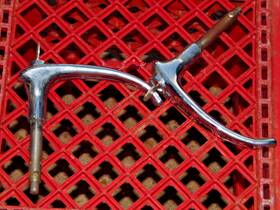
( Brand: Gm ), ( Color: Silver ), ( Material: Chrome ), ( Placement On Vehicle: Door ), ( Type: Door Handle ), ( Features: Keys ), ( Country Of Origin: United States ), ( EAN: 4303854303933 )
Review GM Pair Car/truck Door Handles Keys Chevy Olds Buick 430385
These vintage door handles and keys from the **1940s to 1960s General Motors lineup** including Chevrolet, Oldsmobile, and Buick models represent a rare and highly sought-after collection of automotive heritage, embodying the sleek, functional design language of mid-century American craftsmanship. Each piece, numbered **GM 430385 through 4303933**, is meticulously crafted from durable materials, reflecting the robust yet elegant aesthetic of the era. The door handles feature a classic, slightly rounded contour with a smooth, polished chrome finish, accented by sturdy metal construction that ensures both durability and a timeless look. The keys, often paired with these handles, showcase distinctive GM-era styling whether it s the iconic **Chevrolet s streamlined, slightly tapered design** or the more refined, slightly angular profile of **Oldsmobile and Buick models**, complete with a polished brass or chrome-plated finish. These components were not merely functional but also served as subtle status symbols, highlighting the brand s commitment to blending performance with aesthetic appeal. Perfect for restoration enthusiasts, classic car collectors, or those seeking to preserve the authenticity of a vintage vehicle, these handles and keys are a tangible piece of automotive history, offering both practicality and nostalgic charm. Whether installed on a meticulously restored **1955 Chevy Bel Air**, a rare **1949 Oldsmobile 88**, or a classic **1962 Buick Skylark**, they ensure an unmistakable connection to the golden age of American automotive design.
### Pros and Cons of Buying Vintage GM Door Handles and Keys (1940s 1960s Chevrolet, Oldsmobile, Buick)
#### **Pros**
1. **Authenticity and Restoration Value** Original or high-quality reproduction parts enhance the authenticity of a classic vehicle, increasing its appeal to collectors and preserving its historical integrity. Many vintage GM cars hold value over time, especially if they are well-maintained or restored.
2. **Functionality and Durability** Older GM door handles, particularly those from the 1940s 1960s, were built to last. Many were made from sturdy materials like steel or brass, which can outlast modern plastic alternatives. If the parts are in good condition, they may require fewer repairs than contemporary aftermarket replacements.
3. **Aesthetic Appeal** Vintage GM door handles often feature distinctive styling cues, such as chrome finishes, unique shapes, and intricate designs, that contribute to the car s classic look. Restoring or replacing them with period-correct parts can significantly improve the vehicle s curb appeal.
4. **Compatibility with Original Equipment** Using original or reproduction parts ensures a seamless fit and function, reducing the risk of compatibility issues that can arise with aftermarket parts designed for modern vehicles. This is particularly important for cars that are driven regularly or used in shows.
5. **Support for Classic Car Culture** Purchasing vintage parts supports the preservation of automotive history and helps sustain the classic car community. Many enthusiasts prioritize sourcing original or reproduction parts to maintain the authenticity of their vehicles.
6. **Potential for Resale Value** If the vehicle is a rare or highly sought-after model, well-preserved or restored parts can increase its resale value. For example, parts from early Buick Roadsters or high-end Oldsmobile models may be more valuable than mass-produced Chevrolet components.
7. **Customization and Personalization** Vintage parts can be used to customize a car in a way that modern parts cannot. For instance, swapping out later-model door handles for earlier ones can give a car a distinct, period-accurate look that stands out in a crowd.
---
#### **Cons**
1. **Cost** Original vintage parts, especially for rare or discontinued models, can be expensive. Reproduction parts may also carry a premium due to the labor and materials required to manufacture them accurately. For example, a set of 1950s Buick door handles might cost significantly more than a modern aftermarket alternative.
2. **Availability and Lead Times** Finding specific vintage parts can be challenging, particularly for older or less common models. Some parts may require sourcing from specialty dealers, auctions, or even overseas suppliers, which can extend lead times and increase frustration for restorers.
3. **Condition and Wear** Original parts may show signs of wear, rust, or damage, especially if they have been exposed to the elements for decades. Restoring them may require additional time and effort, such as cleaning, repainting, or replacing corroded components.
4. **Compatibility Issues** While vintage parts are often designed to fit their original vehicles, slight variations in manufacturing tolerances or design changes over the years can sometimes cause fitment issues. This may require additional modifications or adjustments during installation.
5. **Maintenance and Upkeep** Older parts, particularly those made from metal, may require more maintenance to prevent rust, corrosion, or mechanical failure. For example, door locks or hinges from the 1940s may need lubrication or replacement more frequently than modern equivalents.
6. **Limited Availability of Installation Knowledge** Some vintage parts may not have detailed installation guides or diagrams, making the process more challenging for those without experience working on classic cars. This can lead to trial-and-error learning or the need to consult experts, which may incur additional costs.
7. **Risk of Overpaying** The classic car market can be speculative, and some parts may be overpriced due to demand or rarity. Buyers must research fair market values and be cautious of scams or inflated prices, especially when purchasing from private sellers or online marketplaces.
8. **Environmental and Ethical Considerations** Original vintage parts often come from dismantled or scrap vehicles, raising ethical questions about sourcing. Some buyers may prefer to support sustainable practices or reproduction manufacturers to avoid contributing to the depletion of classic car parts.
---
### **Conclusion**
Buying vintage GM door handles and keys from the 1940s 1960s can be a rewarding investment for enthusiasts who prioritize authenticity, craftsmanship, and the preservation of automotive history. The parts offer functional durability, aesthetic appeal, and potential resale value, particularly for well-maintained or restored classic vehicles. However, the process comes with challenges, including high costs, limited availability, and the need for careful sourcing and installation.
For most buyers, the decision should hinge on their priorities:- If **authenticity and long-term preservation** are the top goals, investing in original or high-quality reproduction parts is justified.
- If **cost efficiency and convenience** are more important, modern aftermarket parts may be a more practical choice, though they may sacrifice historical accuracy.
Ultimately, the best approach is to **balance passion with practicality**. Research thoroughly, compare prices, and consider whether the parts align with your project s goals whether it s a full restoration, a show car build, or a daily driver with vintage flair.
### **Recommendation**
1. **For Restorers or Collectors**: Invest in original or reproduction parts if budget allows. Prioritize sourcing from reputable dealers (e.g., Classic Parts Warehouse, eBay verified sellers, or specialty auctions) to ensure quality and authenticity. If cost is a concern, start with less critical components and gradually replace parts as funds permit.
2. **For Budget-Conscious Builders**: Consider modern aftermarket parts for functional needs, but supplement with vintage pieces for key aesthetic elements (e.g., door handles) to maintain the car s character. Look for hybrid solutions, such as reproduction parts that blend modern durability with classic design.
3. **For Daily Drivers**: Focus on functional vintage parts that are easy to maintain (e.g., sturdy door handles) while using modern alternatives for high-wear items (e.g., locks, hinges). This balances authenticity with practicality.
4. **For First-Time Buyers**: Start with smaller, less expensive parts to test the waters before committing to full restorations. Join classic car forums (e.g., Hemmings, Reddit s r/classiccars) to learn from experienced buyers and avoid common pitfalls.
Always verify the condition of parts upon receipt, especially if purchasing from private sellers, and consider consulting a mechanic or classic car specialist for installation advice.
Details:
This product is a pair of vintage 1940's-60s GM car/truck door handles with keys, specifically designed for Chevy, Olds, and Buick vehicles.
part #: 4303854303933 price
- $25.00
specifications cardoorhandleei:
- for makes: Chevy, Olds, Buick
- brand: Gm
- color: Silver
- material: Chrome
- placement on vehicle: Door
- type: Door Handle
- features: Keys
- country of origin: United States
- ean: 4303854303933
returns cardoorhandleei:
- policy: No Returns
payments cardoorhandleei:
- credit card: Visa
- other
- wallet: Paypal
general cardoorhandleei:
- Car Truck Parts Accessories > Interior Parts Accessories > Window Cranks, Grab Handles Door Pulls
- condition: Used
seller cardoorhandleei:
- rating: 100.0%
- city: Memphis, Tennessee
- # reviews: 13
offer cardoorhandleei:
- best offers: True
- quantity: 1
- started: April 4, 2026
- sold: 0
- options: Ship-to-home
- availability: In Stock
shipping cardoorhandleei:
- class: Standard
- cost: $8.46
- type: Calculated
- service: USPS Ground Advantage
- transit: 5-11 Days
- carrier: USPS
Gm 1940S-60SGM Is Similar To:
- 019495016403 Nos Dorman Gm Interior Door Handle (34.8% similar) You are buying 1 nos doorman replacement door handle Gm light truck van see pics for fitment guide.s shipping only...(April 1st, 2018)
- 10132955 Gm Corvette Rear Compartment Door Handle Cover Tan (30.7% similar) Good condition shipping in continental USA. Its up to you make sure the item will function with your year, and model. See pics item sold as-is w no warranty any information I state on an is to be used as a guide. Please look at pics for condition make sure this is the part you...(May 15th, 2018)
- 10179689 Gm Buick Oem 91-94 (16.9% similar) Warranting warranty...(October 15th, 2017)
- Gm 10261576 Panel-handle 93-96 Door Fleetwood Bezel Cadillac Oem (29.7% similar) ...(August 14th, 2015)
- Side Oem 10270450 Door-handle Clip Loading Gm (29.4% similar) We explicitly use the manufacturer's part number. Return shipping is paid for by the customer. Bull all parts are shipped insured. Please before sending back a return. About velvet's and purchasing oem parts items ship within hours...(January 15th, 2015)
- Oem Oldsmobile Handle 98-02 10296065 Intrigue-interior Door Gm (19.6% similar) Est, Mon to Fri...(January 6th, 2015)
- Prix-interior Pontiac Door Gm Handle 10324637 Oem Grand 97-03 (27.6% similar) The billion automotive parts department also has accessories for all makes and model's of vehicles. Order parts for your vehicle online with our web based parts catalogs...(December 31st, 2014)
- Door Oem Handle Left 10370352 Gm Sts-interior Cadillac 05-11 (22.5% similar) Multi line Gm parts provider...(January 2nd, 2015)
- Cadillac 10370353 05-11 Sts-interior Gm Oem Left Door Handle (23.8% similar) Multi line Gm parts provider...(January 2nd, 2015)
- Handle Cadillac 10370356 Door 05-11 Gm Sts-interior Oem (20.5% similar) ...(December 18th, 2014)
- Handle 10370514 06-07 Door Gm Vue-interior Oem Saturn Genuine Part (12.7% similar) New in package, genuine Gm oem Saturn vie interior door handle right part...(November 3rd, 2014)
