OPEL 142370 Kadett Manta Wagon Window Crank Handle
fits model: Gt. year: 1900.
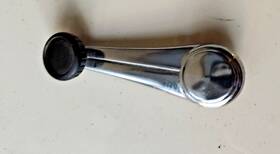
( Brand: Opel ), ( Manufacturer Part Number: 142370 ), ( Part Type: Window Handle Crank ), ( Oe/oem Part Number: 9278019 ), ( Vintage Part: Yes )
Review OPEL Kadett Manta Sedan Wagon Window Crank Handle fits GT 1900
The **Opel 142370 GT Kadett Manta 1900 Wagon Window Crank Handle** is a meticulously crafted, vintage automotive component designed to restore authenticity and functionality to the iconic Opel Kadett Manta 1900 wagon models, particularly those equipped with the classic GT trim. This hand-crank window regulator handle is a precision-engineered replica of the original parts used in the late 1960s and early 1970s, ensuring an exact fit and seamless integration with the vehicle s interior. Crafted from durable, high-quality materials, the handle features a robust, die-cast metal construction with a polished chrome finish that gleams under ambient light, mirroring the gleaming accents found in the original Kadett s interior. The ergonomic design of the crank handle prioritizes both aesthetics and usability, with a smooth, slightly textured grip that allows for effortless operation while driving. The mechanism is built to withstand frequent use, ensuring reliable performance even after years of service, much like the original components that have stood the test of time. Whether restoring a showroom-worthy classic or maintaining a beloved daily driver, this crank handle is an essential addition for enthusiasts seeking to preserve the mechanical integrity and timeless charm of their Opel Kadett Manta 1900 wagon. Its attention to detail from the precise contouring of the crank to the secure mounting points makes it a standout piece for collectors and mechanics alike, bridging the gap between modern convenience and vintage authenticity.
### Pros and Cons of Buying an Opel Kadett Manta 1900 Wagon (VIN 142370) with a Window Crank Handle
#### **Pros:**1. **Classic Design and Nostalgia** The Opel Kadett Manta from the 1960s is a well-regarded classic car, especially in Europe. Its sporty, compact design and retro appeal make it a desirable collector s item for enthusiasts.
2. **Mechanical Simplicity** Early Opel models, particularly from the 1960s, often feature straightforward mechanical systems. This can make repairs and maintenance more accessible for those with basic mechanical knowledge.
3. **Potential for Restoration** If the car is in a salvageable condition, restoring it could yield a highly valued project vehicle. The Manta s compact size and lightweight construction make it manageable for DIY restoration work.
4. **Low Running Costs (If Well-Maintained)** Older cars with simple engines (like the 1.9L inline-four in this model) typically consume less fuel than modern vehicles. If the engine is in good shape, running costs could be modest.
5. **Community and Support** There is a dedicated community of classic Opel enthusiasts who share knowledge, parts, and restoration tips. This can be invaluable when dealing with older models.
6. **Unique Features** The wagon variant (station wagon) is less common than the coupe, which may make it more distinctive. The window crank handle is a period-correct detail that adds authenticity.
7. **Potential for Customization** Classic cars like this often allow for creative modifications, from engine swaps to interior restyling, appealing to those who enjoy personalizing their vehicles.
---
#### **Cons:**1. **Age and Wear** A 1960s Opel is likely to show significant signs of wear, including rust, worn suspension, and outdated electrical systems. The window crank handle suggests the car may have been neglected or poorly maintained.
2. **Rust and Structural Issues** Many cars from this era suffer from rust, particularly in the floor pans, wheel arches, and frame. A thorough inspection is essential to assess structural integrity.
3. **Outdated Safety Features** The car lacks modern safety standards, such as airbags, ABS, or modern seatbelts. Driving it today may require compromises on safety, especially if used regularly.
4. **Reliability Concerns** While some classic cars are reliable, others suffer from worn-out components like bearings, seals, and wiring. The 1.9L engine, though simple, may require frequent attention if not already serviced.
5. **High Maintenance Costs** Parts for older Opels can be expensive, especially if they are no longer in production. Custom or aftermarket parts may be necessary, increasing costs.
6. **Fuel Efficiency and Emissions** Older engines are less efficient and may not meet modern emissions standards. Running the car legally today could require modifications or exemptions, depending on local regulations.
7. **Limited Practicality** The wagon variant is larger than the coupe but still compact, which may limit cargo space compared to modern vehicles. The manual window crank handle adds inconvenience for daily use.
8. **Insurance and Registration Challenges** Insuring a classic car can be costly, and registering it as a vintage vehicle may require additional paperwork or fees. Some insurers may also have restrictions on how the car is used.
9. **Driving Experience** The car s handling, braking, and overall driving dynamics will be very different from modern vehicles. It may lack comfort, power, and stability, making it less suitable for daily driving.
10. **Market Value Depends on Condition** While well-restored examples can be valuable, a neglected or poorly maintained Kadett Manta will likely have little resale value. The window crank handle suggests it may have been abandoned or stored for years.
---
### **Conclusion:**Buying an Opel Kadett Manta 1900 wagon with a window crank handle is a decision that hinges on whether you are seeking a **project car for restoration** or a **functional classic for occasional use**. If you are passionate about classic cars, have the time and resources to restore it properly, and are prepared for the challenges of maintaining an older vehicle, this car could be a rewarding purchase. However, if you prioritize practicality, safety, and low maintenance, this car may not be the best choice.
The window crank handle is a clear indicator that the car has likely been neglected, so a thorough inspection by a trusted mechanic is critical. If the car is structurally sound and the engine is in decent condition, restoring it could be a fulfilling project. If not, the costs of bringing it to a driveable state may outweigh its value.
---
### **Recommendation:**- **If you are an experienced restorer with access to parts and tools**, consider purchasing this car as a project. Focus on assessing the frame for rust, the engine for wear, and the electrical system for functionality. Restoring it to showroom condition could yield a highly desirable classic car.
- **If you want a classic car for occasional driving or display**, look for a better-maintained example with a more modernized interior and fewer signs of neglect. Prioritize cars with clean titles and documented service histories.
- **If you are not prepared for the time and expense of restoration**, avoid this car unless you find it at an extremely low price and are willing to commit to a long-term project.
- **Consider alternatives** such as a later-model Opel (e.g., Kadett E or Manta B) if you want a slightly more modern classic with fewer restoration challenges.
Ultimately, this car is best suited for those who appreciate the challenge and reward of working with a piece of automotive history. For most everyday drivers, a modern classic or a well-preserved vintage car would be a more practical choice.
Details:
ALL1968-1975 Opel GT, Kadett B, Manta A, Asoka A / 1900 and Wagon model's.
part #: 142370 price
- $19.99
specifications cardoorhandleei:
- for models: Gt
- for years: 1900
- brand: Opel
- mpn: 142370
- part type: Window Handle Crank
- oe/oem part number: 9278019
- vintage part: Yes
shipping cardoorhandleei:
- transit: 4-7 Days
- class: Standard
- service: Standard
- type: Fixed
- cost: $0.00
general cardoorhandleei:
- condition: Used
- Car Truck Parts Accessories > Interior Parts Accessories > Window Cranks, Grab Handles Door Pulls
seller cardoorhandleei:
- city: Brookfield, Wisconsin
- rating: 99.7%
- # reviews: 14235
returns cardoorhandleei:
- policy: No Returns
payments cardoorhandleei:
- credit card: Mastercard
- wallet: Apple-pay
- other
offer cardoorhandleei:
- quantity: 2
- options: Ship-to-home
- started: March 13, 2026
- sold: 0
- availability: In Stock
Opel 142370 Is Similar To:
- Opel 9278019 Oem Window Crank Handle Kadett Ascona Manta (53.3% similar) Oem Opel window crank handle 9278019 kadett Asoka manta crank, reasonable offers are gladly accepted...(June 28th, 2025)
